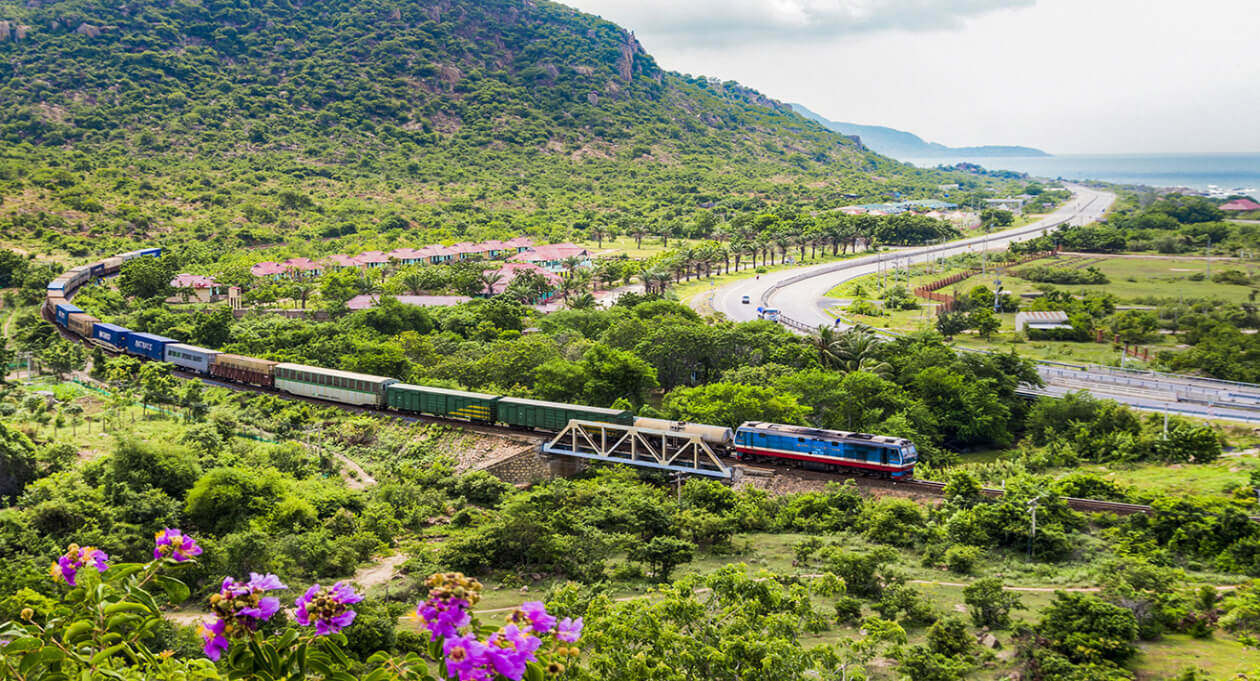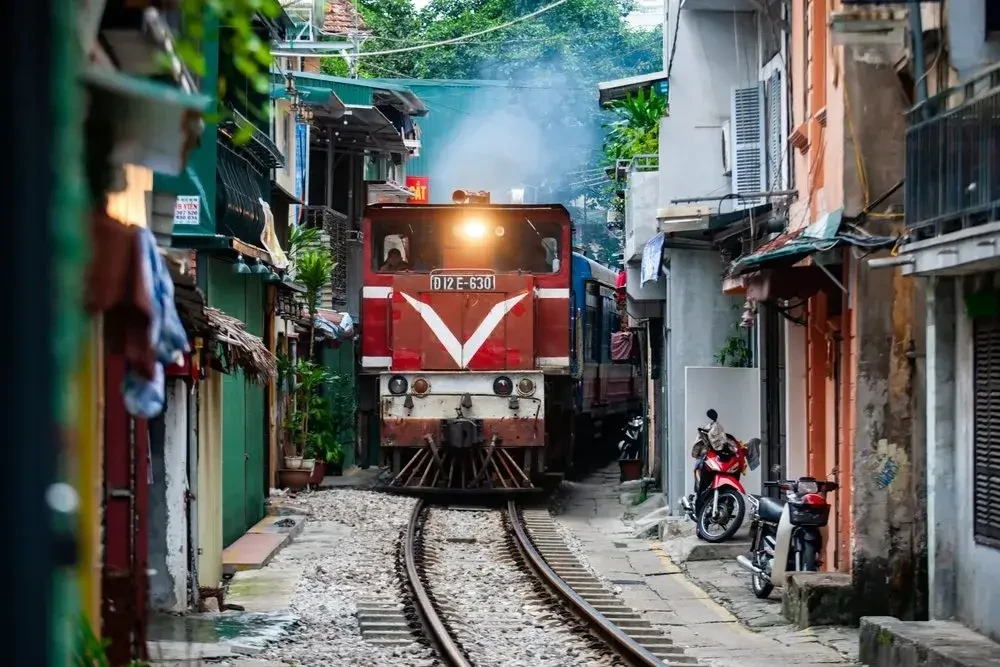
Hanoi to Sapa Train 2026: Sleeper Prices, Schedule & Cabins
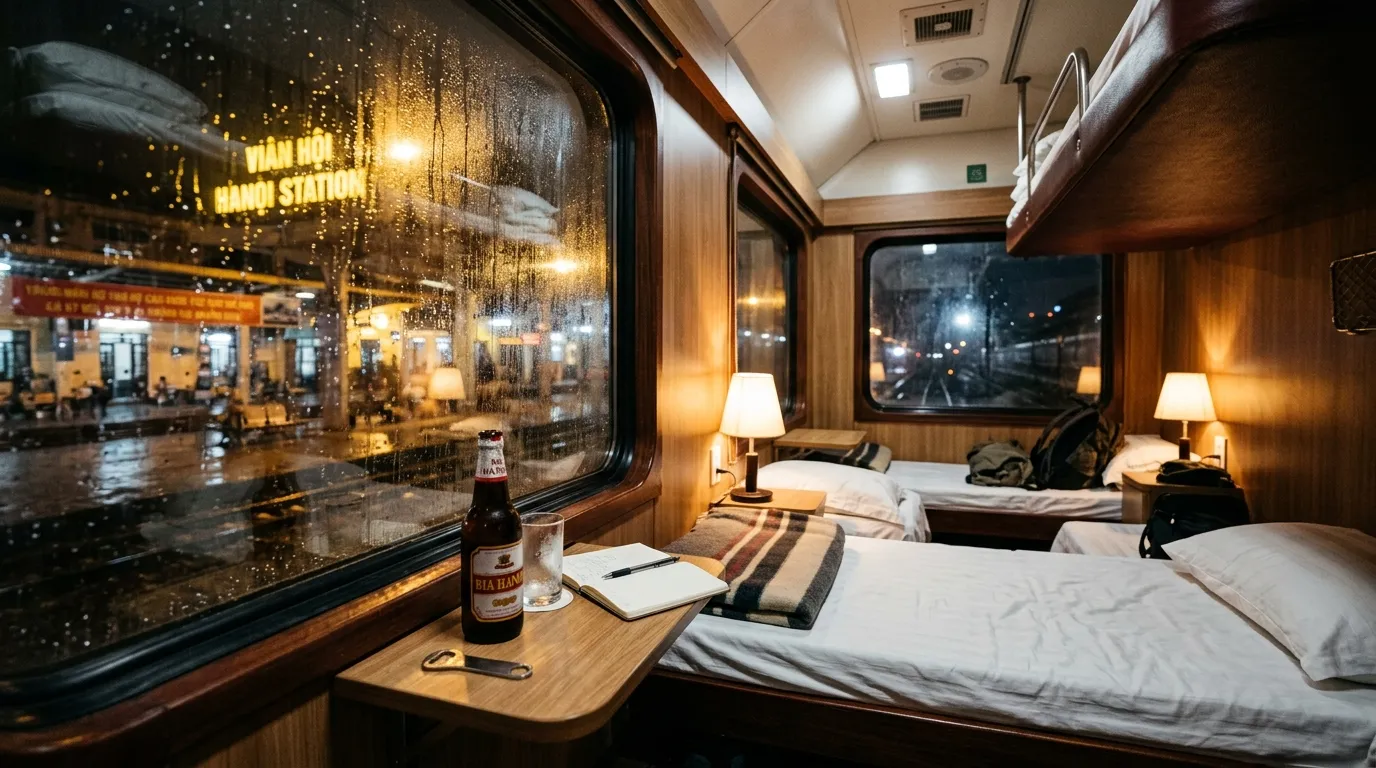
Key Takeaway: The overnight train from Hanoi to Lao Cai takes about 8 hours, with 2026 prices ranging from $28 for a standard berth to $150+ for a luxury VIP cabin. For the best balance of comfort and value, book a mid-tier private tourist carriage like Chapa or Sapaly Express. Secure your spot early and book train tickets online at vietnamesetrain.com to guarantee your preferred cabin.
The platform smells of damp pavement and strong robusta coffee. You step aboard the train, leaving the heavy motorbike traffic of the capital behind, and suddenly you are walking down a wood-paneled corridor that feels lifted straight out of a 1930s film. This is the appeal of the overnight rail trip north. If you are looking for the definitive guide to the Hanoi to Sapa train, including 2026 sleeper prices and luxury cabin options, you are in the right place. Taking the train is much more romantic than a cramped bus ride. And it is much safer, too. You fall asleep to the rhythmic clack of the rails and wake up in the misty foothills of the Hoang Lien Son mountains.
Quick Overview: What You Need to Know at a Glance
- The Route: The train does not actually go directly to Sapa. It terminates at Lao Cai station near the Chinese border. From there, it is a 45-minute winding minibus or taxi ride up the mountain to Sapa town.
- Distance: 296 kilometers (184 miles).
- Duration: Exactly 8 hours on the SP3 and SP4 express services.
- Departure Station: Hanoi Railway Station (Ga Hà Nội) at 120 Le Duan Street. Use the main entrance.
- Arrival Station: Lao Cai Railway Station (Ga Lào Cai).
- 2026 Ticket Prices: Ranging from $28 for standard sleeper berths to $150+ for private 2-berth luxury cabins.
Hanoi to Sapa Train 2026: Lao Cai Sleeper Guide & Schedule
Here is the thing about the Hanoi to Sapa train route. It is not a single train operated by a single company. Instead, Vietnam Railways (VNR) operates the physical train—the locomotive and standard carriages—while private companies lease the remaining carriages, outfitting them with upgraded beds, wood paneling, and better service. You are essentially choosing which "hotel room" you want on the exact same moving train.
The SP3 express is the only train you should consider for the northbound trip in 2026, leaving Hanoi at 22:00 and arriving in Lao Cai at 06:00.
This timing is perfect. You can enjoy a late dinner in Hanoi's Old Quarter, board the train at 9:30 PM, sleep through the night, and wake up just as the sun illuminates the terraced valleys near the border. The return train, the SP4, leaves Lao Cai at 21:30 and arrives back in Hanoi at 05:25. If you want a complete breakdown of how this fits into a broader itinerary, check out our Vietnam Train Travel Guide [2026]: Routes, Classes & Expert Tips.
Why choose the train over the highway bus? The new expressway cut the bus time down to about 5.5 hours. But buses travel during the day, eating up your vacation time. Or they travel at night, where you are strapped into a neon-lit plastic pod while the driver aggressively overtakes semi-trucks in the dark. The train offers a flat bed, a locked door, and peace of mind. Check latest prices and schedules on vietnamesetrain.com.
Standard vs. Luxury: Choosing Your Sleeper Cabin
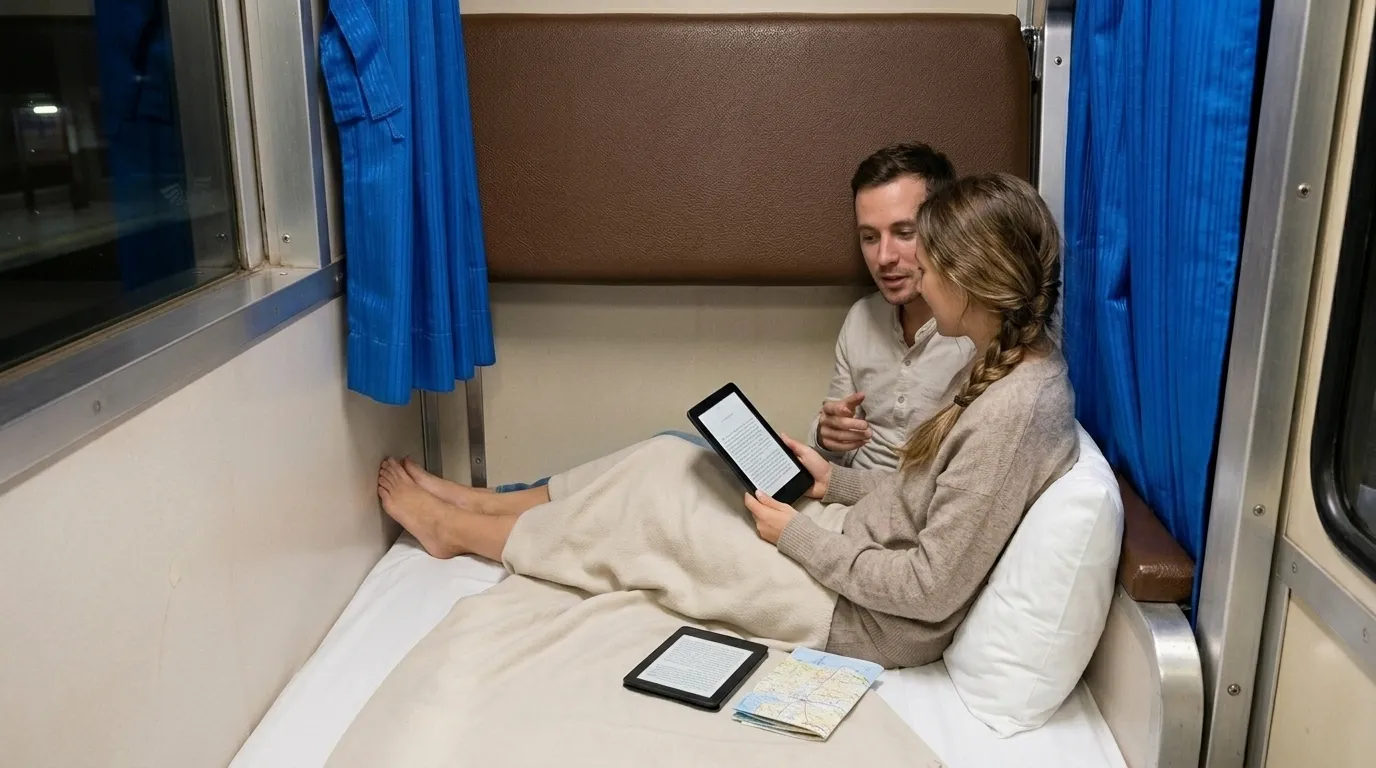
Your experience on this route depends entirely on which carriage you book. Let's break down the reality of these cabins. Do not expect the Orient Express unless you are paying for the very top tier. But you can expect clean sheets, cold air conditioning, and a decent night's rest.
Vietnam Railways Standard Sleeper (The Budget Pick)
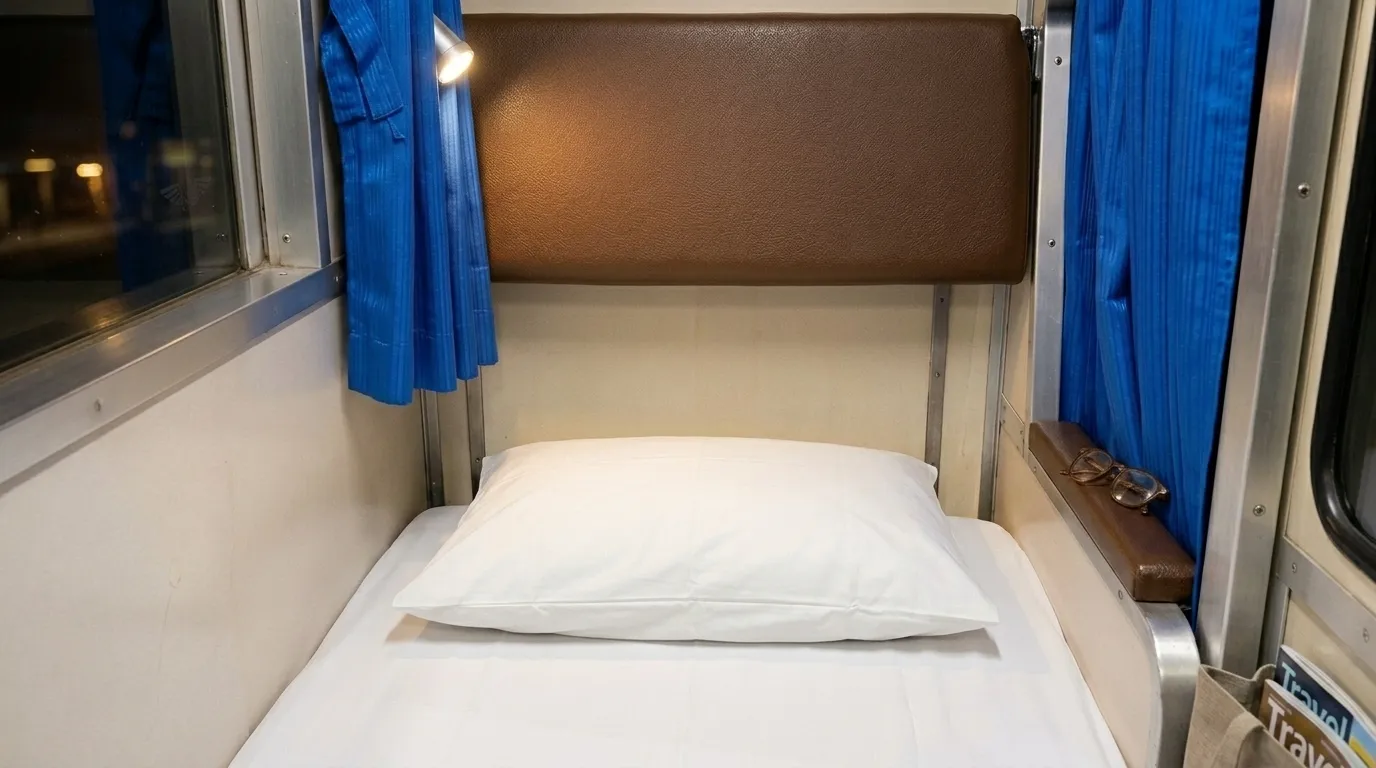
The state-run carriages are basic. You get a bunk in a 4-berth or 6-berth cabin. The mattresses are about as thick as a yoga mat. The lighting is harsh fluorescent, and the bathrooms at the end of the hall get messy by morning. If you are on a strict backpacker budget, it works. Read our Vietnam Train Soft Sleeper: 2026 Prices & Booking Tips for more on these standard options. But honestly? For just $15 more, you can upgrade to a private carriage. The standard sleeper is rarely worth the minor savings.
Private Tourist Carriages (The Sweet Spot)
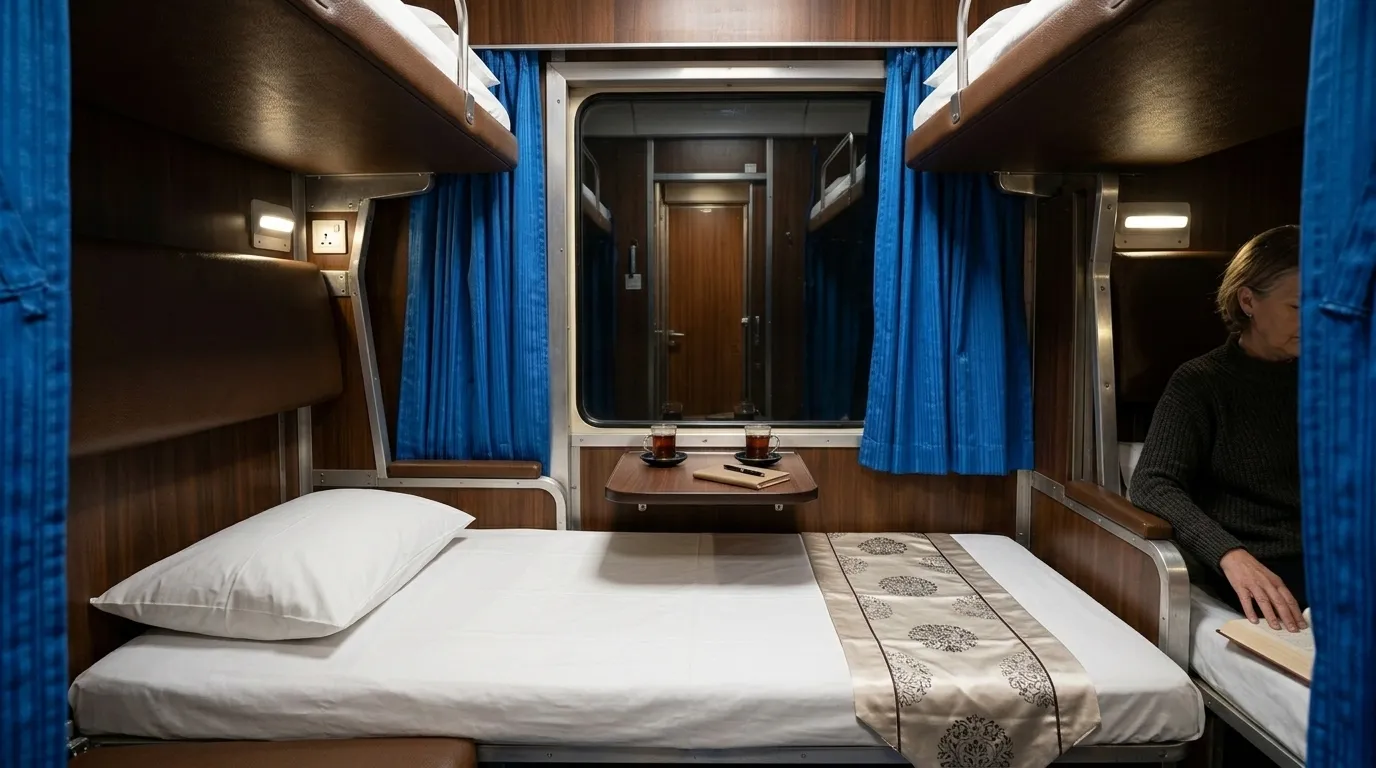
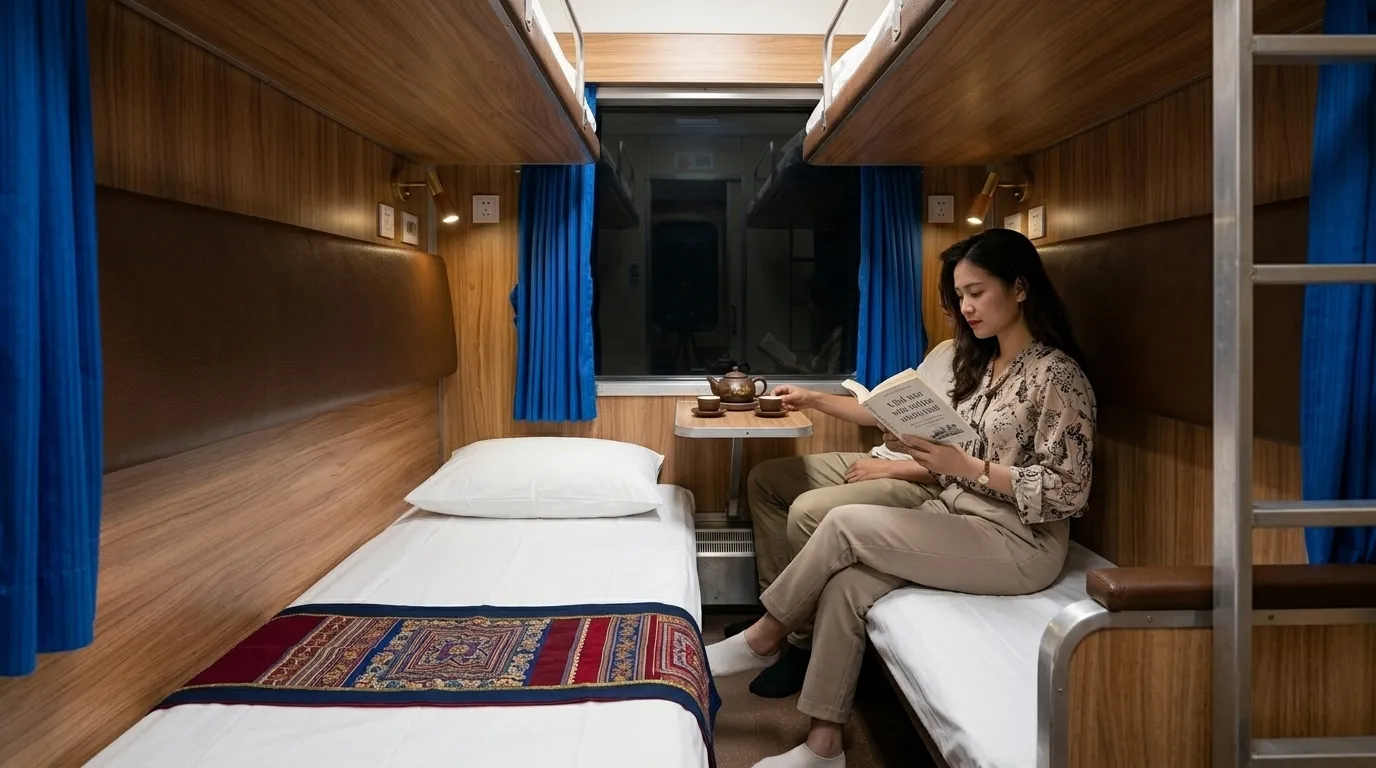
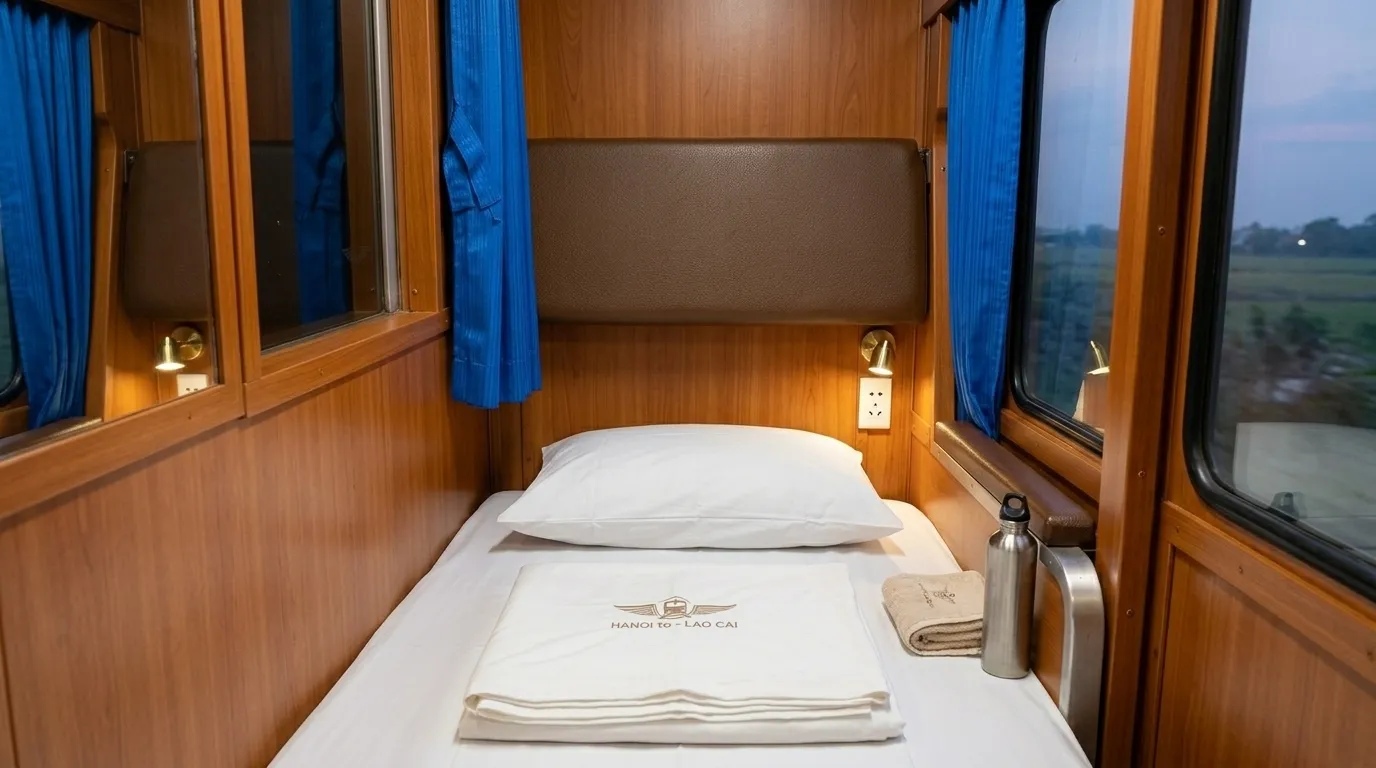
This is where 90% of travelers should book. Companies like Chapa Express, Sapaly Express, Laman Express, and King Express run these cars. They take a standard VNR carriage and completely gut it. They install wood-veneer paneling, thicker mattresses, reading lights, and softer pillows. They also provide free water, snacks, and a dedicated attendant who keeps the western-style toilets clean throughout the night. It is a massive step up in comfort.
For the best balance of price and comfort, Sapaly Express and Chapa Express consistently deliver the most reliable mid-range sleeper experience on the Lao Cai route.
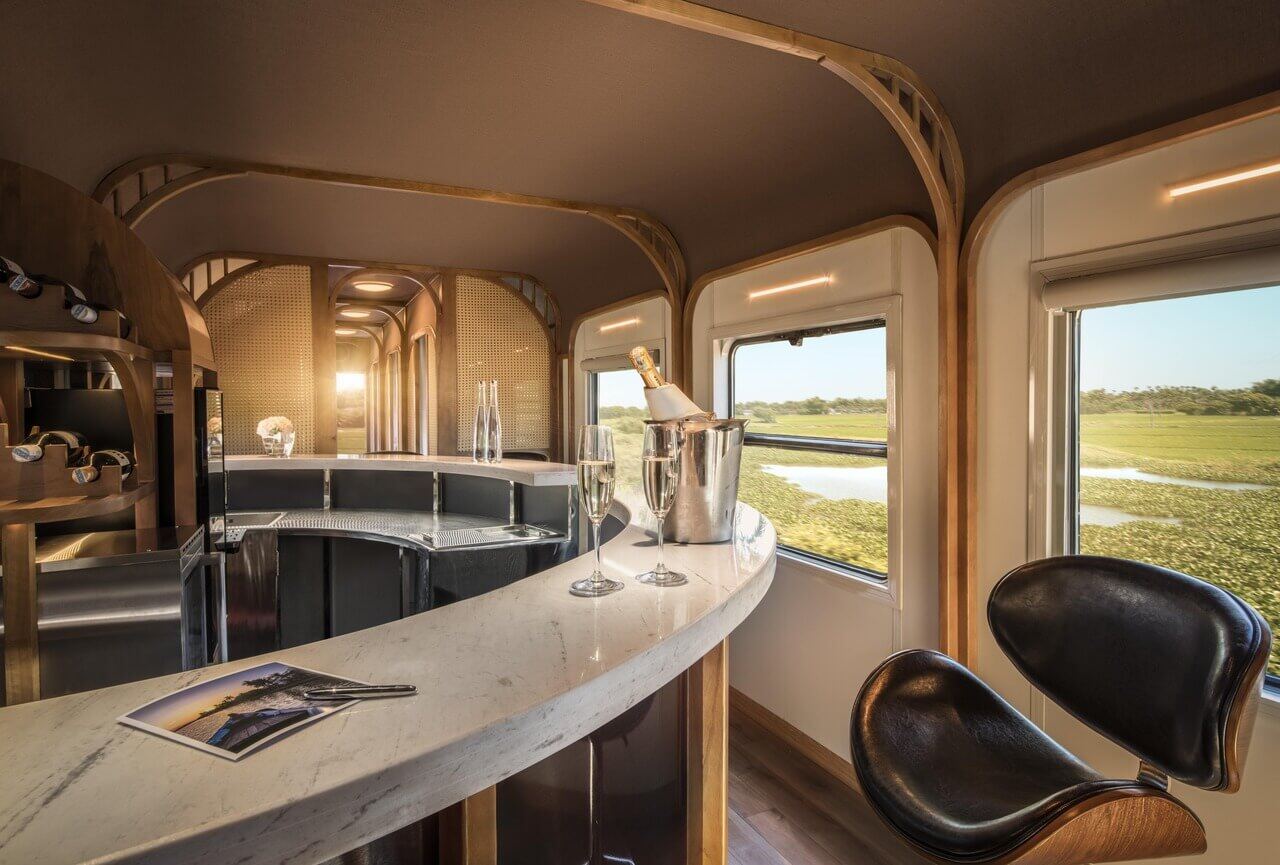
Ultra-Luxury VIP Cabins (The Splurge)
If you want privacy, the VIP 2-berth cabins are fantastic. These are standard 4-berth cabins where the top two bunks have been removed (or folded up), giving you extra headroom and a private space for two. Operators like Victoria Express and Vic Sapa operate at the absolute high end, offering plush bedding, welcome drinks, and lounge access at the station. For a deep dive into these high-end options, see our guide on the Hanoi to Sapa Sleeper Train: Luxury vs Standard Cabins.
| Cabin Type | Vibe & Comfort Level | Best For | Booking Link |
|---|---|---|---|
| Standard VNR (4-Berth) | Basic, thin mattress, noisy air-con. | Strict budget travelers. | Book Standard |
| Tourist Express (4-Berth) | Wood paneling, good bedding, clean toilets. | Couples, families, flashpackers. | Book Tourist |
| VIP Luxury (2-Berth) | Private, spacious, premium service & snacks. | Honeymooners, luxury seekers. | Book VIP |
Ready to secure your bed? Do not wait until you arrive in Hanoi. Book your preferred cabin class at vietnamesetrain.com.
2026 Ticket Prices and How to Book
Train ticket pricing in Vietnam operates on a dynamic model, but the private carriages generally keep their rates stable year-round, except during the Tet holiday (Lunar New Year) when prices surge. According to authoritative travel resources like The Man in Seat 61, booking in advance is highly recommended for the popular tourist carriages.
Expect to pay around $35 for a high-quality tourist 4-berth sleeper, while a private 2-berth VIP cabin will run between $80 and $150 depending on the operator.
| Operator / Carriage | Cabin Configuration | Est. 2026 Price (USD) | Action |
|---|---|---|---|
| Vietnam Railways | 6-Berth Hard Sleeper | $22 - $28 | Check Dates |
| Vietnam Railways | 4-Berth Soft Sleeper | $28 - $32 | Check Dates |
| King Express / Laman | 4-Berth Tourist Wood | $32 - $38 | Check Dates |
| Chapa / Sapaly Express | 4-Berth Premium Wood | $38 - $45 | Check Dates |
| Chapa / Lotte / Vic Sapa | 2-Berth VIP Private | $85 - $110 | Check Dates |
| Victoria Express | 2-Berth Ultra Luxury | $140 - $160 | Check Dates |
Booking directly at the station is a gamble. The best carriages sell out weeks in advance, especially on Thursday and Friday nights when locals head to the mountains for the weekend. We highly recommend reading How to Book Your Vietnamese Train Tickets Online to understand the process. Avoid unverified third-party agents. Instead, book train tickets online safely at vietnamesetrain.com.
Station Facilities & Luggage on the Hanoi to Sapa Train
Knowing what to expect at the stations makes the trip much smoother. Hanoi Railway Station is divided into two sections. For the Hanoi to Sapa train, you must go to the main entrance on Le Duan Street (Ga A). Do not go to the Tran Quy Cap entrance at the back, as that is primarily for other regional routes.
Luggage Limits: Officially, Vietnam Railways allows up to 20kg of luggage per passenger. However, this is rarely weighed or strictly enforced. As long as you can carry your bags and fit them under the bottom bunk or in the overhead storage space within your cabin, you will not face any issues.
Food and Drink: There are small convenience stores near the Hanoi station entrance where you can buy water, snacks, and Banh Mi before boarding. While the train does have a small trolley service selling instant noodles and drinks, the quality is basic. Bringing your own snacks is the smartest move. When you arrive at Lao Cai station in the morning, there are several cafes immediately outside the exit where you can grab a hot coffee before starting the drive up to Sapa.
9 Pro Tips for the Hanoi to Lao Cai Route
These practical tips address the most common comfort and boarding questions for the overnight journey to Lao Cai.
- Book the bottom bunk: If you are in a 4-berth cabin, always request the lower beds. They have slightly more headroom, you can store your bags underneath, and you don't have to navigate a tiny metal ladder in the middle of the night.
- Pack earplugs and an eye mask: The tracks in northern Vietnam are narrow-gauge. The train sways, rattles, and occasionally blasts its horn at crossings. Good silicone earplugs are non-negotiable for light sleepers.
- Bring your own toilet paper: The private carriages start the journey fully stocked. But by 4:00 AM, the paper often runs out. Keep a small tissue pack in your pocket.
- Pre-book your Lao Cai to Sapa transfer: When you exit Lao Cai station at 6:00 AM, you will be swarmed by aggressive minibus drivers. Avoid the chaos. Book a combined train + van transfer through vietnamesetrain.com, or ask your Sapa hotel to send a driver.
- Dress in layers: The air conditioning on the SP3 is notoriously aggressive. It might be 35°C (95°F) in Hanoi, but you will be shivering in your cabin by midnight. The provided blankets are good, but wearing a long-sleeve shirt helps.
- Don't rely on the dining car: While the train has a small food cart, the options are limited to instant noodles and lukewarm beer. Eat a proper meal in Hanoi before boarding.
- Secure the whole cabin for a group of three: If you are traveling as a trio, buy all four beds in a standard 4-berth cabin. The extra cost is minimal, and it prevents a random stranger from sharing your intimate space.
- Keep valuables in bed with you: While the private tourist carriages are very safe and have lockable doors, it is always best practice to keep your passport, wallet, and phone in your bunk rather than in a bag on the floor.
- Arrive early for VIP lounges: If you booked a high-end ticket like Victoria Express or Chapa Express, check if your ticket includes lounge access. Arriving 60 minutes early allows you to relax with a free tea before boarding.
Frequently Asked Questions
How much does the Hanoi to Sapa train cost in 2026?
Prices for the Hanoi to Sapa train in 2026 range from $28 for a standard sleeper berth to over $150 for a luxury VIP cabin. Rates depend on the carriage provider, such as Chapa or Sapaly Express, and the number of berths in the cabin.
What is the schedule for the Hanoi to Sapa train?
The SP3 express departs Hanoi at 22:00 and arrives in Lao Cai at 06:00, while the return SP4 train leaves Lao Cai at 21:30 and arrives in Hanoi at 05:25. These 8-hour overnight journeys are the primary services for tourists visiting Sapa.
Does the train go directly to Sapa?
No, the train terminates at Lao Cai Railway Station, which is approximately 30 kilometers away from Sapa town. Travelers must complete the final leg of the journey via a 45-minute minibus or taxi ride up the mountain.
Which is the best luxury cabin for the Sapa train?
The Chapa Express and Sapaly Express offer the most popular luxury cabins, featuring wood-paneled interiors, bottled water, and high-quality bedding. For the most exclusive experience, the Victoria Express remains a top-tier choice for travelers seeking premium amenities.
Is the Hanoi to Sapa train safe?
Yes, the overnight sleeper train to Sapa is considered one of the safest and most comfortable ways to travel between Hanoi and the northern mountains. It offers a more secure and spacious alternative to the winding mountain roads used by sleeper buses.
Where is the Hanoi train station for Sapa?
The departure point for Sapa-bound trains is the main Hanoi Railway Station (Ga Hà Nội) located at 120 Le Duan Street. Passengers should arrive at least 30 to 60 minutes before the 22:00 departure to locate their specific private carriage.
Ready to start your northern adventure? Search schedules and book your Hanoi to Sapa train tickets today.