Vietnam Train Travel Guide 2026: Routes, Costs, Map & Booking Tips

Quick answer: Vietnam’s main passenger railway follows the north–south coast between Hanoi and Saigon, with useful branches including Hanoi–Lao Cai for Sapa. Use the map and route table below to choose the right corridor, then check the live timetable and total fare for your exact date before booking.
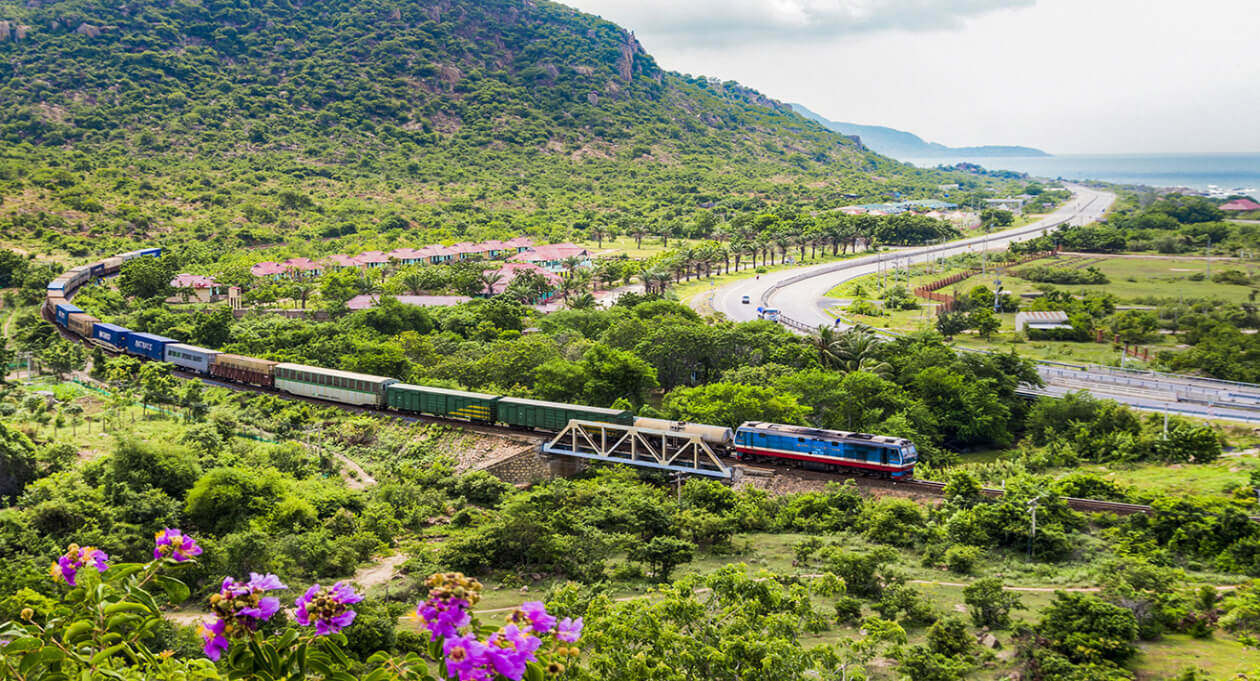
Dawn breaks over the misty Hai Van Pass. You pull back the heavy curtain in your sleeper cabin, watching the South China Sea crash against jagged green cliffs. This is exactly why we ride the rails. Reading a reliable Vietnam train travel guide ensures you capture these exact moments without suffering through a disorganized trip.
Vietnam Train Travel Guide: 2026 Railway Overview
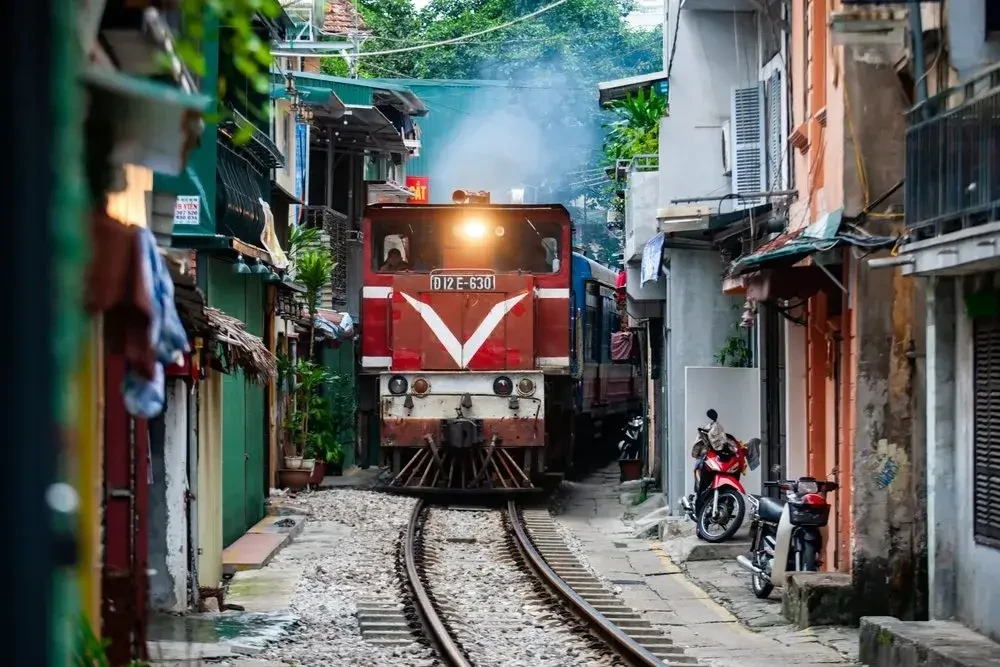
Vietnam Railways operates the core national passenger network. Train condition, air conditioning, toilets, power sockets and onboard service vary by train and carriage, so treat class descriptions as planning guidance and verify the facilities shown for the service you select.
- Trains average roughly thirty-five miles per hour. It is slow travel at its absolute finest, letting you truly absorb the passing rural landscapes.
- The main artery is the historic Reunification line. You can read the Reunification Express 2026: Vietnam Train Guide & Costs to understand how this massive route connects everything.
- Carts sell hot pho and cold local beer. As noted in any Vietnam rail travel guide, bringing your own fresh snacks from the local street markets is also a very smart move.
- Personal luggage normally travels with you, but storage space and operator rules vary. Keep aisles clear and check the conditions attached to your ticket.
Vietnam Train Map: Main Lines and Rail Hubs
The Vietnam train map is easiest to understand as one long coastal spine plus a few northern branches. The Reunification Express is not a single sightseeing train: it is the common name travelers use for services on the North–South railway.
| Rail corridor | Main stops | Best for | Live route |
|---|---|---|---|
| North–South main line | Hanoi, Hue, Da Nang, Nha Trang, Saigon | Long-distance and overnight travel | Hanoi to Saigon trains |
| Central scenic section | Hue, Hai Van Pass, Da Nang | Short scenic journey | Da Nang to Hue trains |
| Northwest gateway branch | Hanoi, Lao Cai | Rail connection for an onward road transfer to Sapa | Hanoi to Lao Cai trains |
| Southern coastal section | Da Nang, Nha Trang, Saigon | Overnight southbound travel | Da Nang to Saigon trains |
Map note: A line on a railway map does not guarantee a convenient daily passenger service. Search the exact origin, destination and date to confirm operating trains, stations, seat classes and the current total price.
Top Vietnam Train Routes and Planning Times
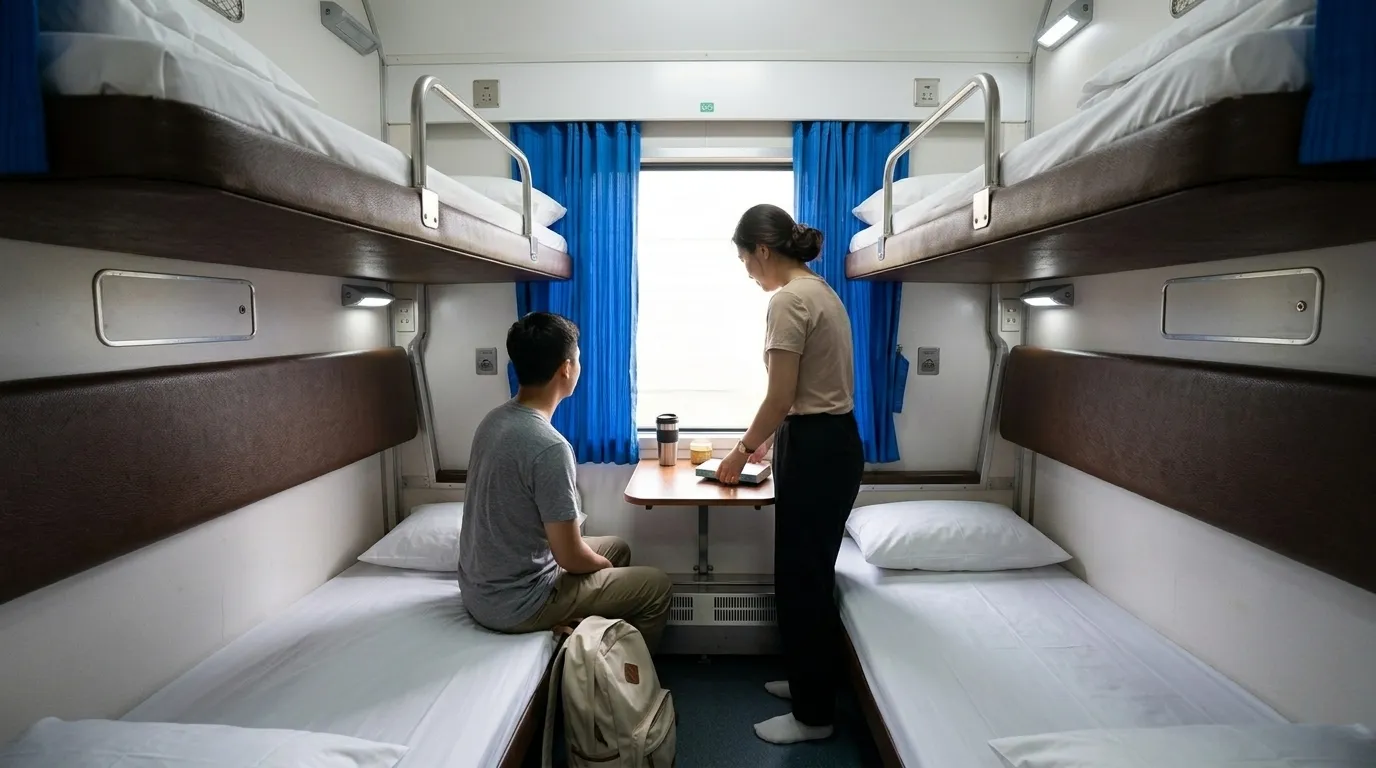
Most travelers follow the eastern coastal route. Journey times and fares change by train, date, class and berth position. Use the ranges below only to compare the scale of each trip, then open the live route page for the timetable and total price available on your travel date.
| Route | Typical planning time | What to compare | Live timetable |
|---|---|---|---|
| Hanoi to Lao Cai (for Sapa) | Overnight | Standard vs tourist sleeper carriage; onward road transfer | Check trains |
| Hanoi to Da Nang | Long overnight journey | Arrival time, sleeper class and Hai Van Pass timing | Check trains |
| Da Nang to Saigon | Long overnight journey | Departure time, sleeper class and arrival station | Check trains |
| Da Nang to Hue | About half a day including station time | Window seat, train time and carriage class | Check trains |
Private tourist carriages cost significantly more money upfront. For example, the Hanoi to Sapa Train 2026: Sleeper Prices & Luxury Cabins guide highlights premium options. Do not wait until you reach the station. Check the latest prices on vietnamesetrain.com to ensure you do not overpay a shady local booking agent.
Which Cabin Class Should You Book?
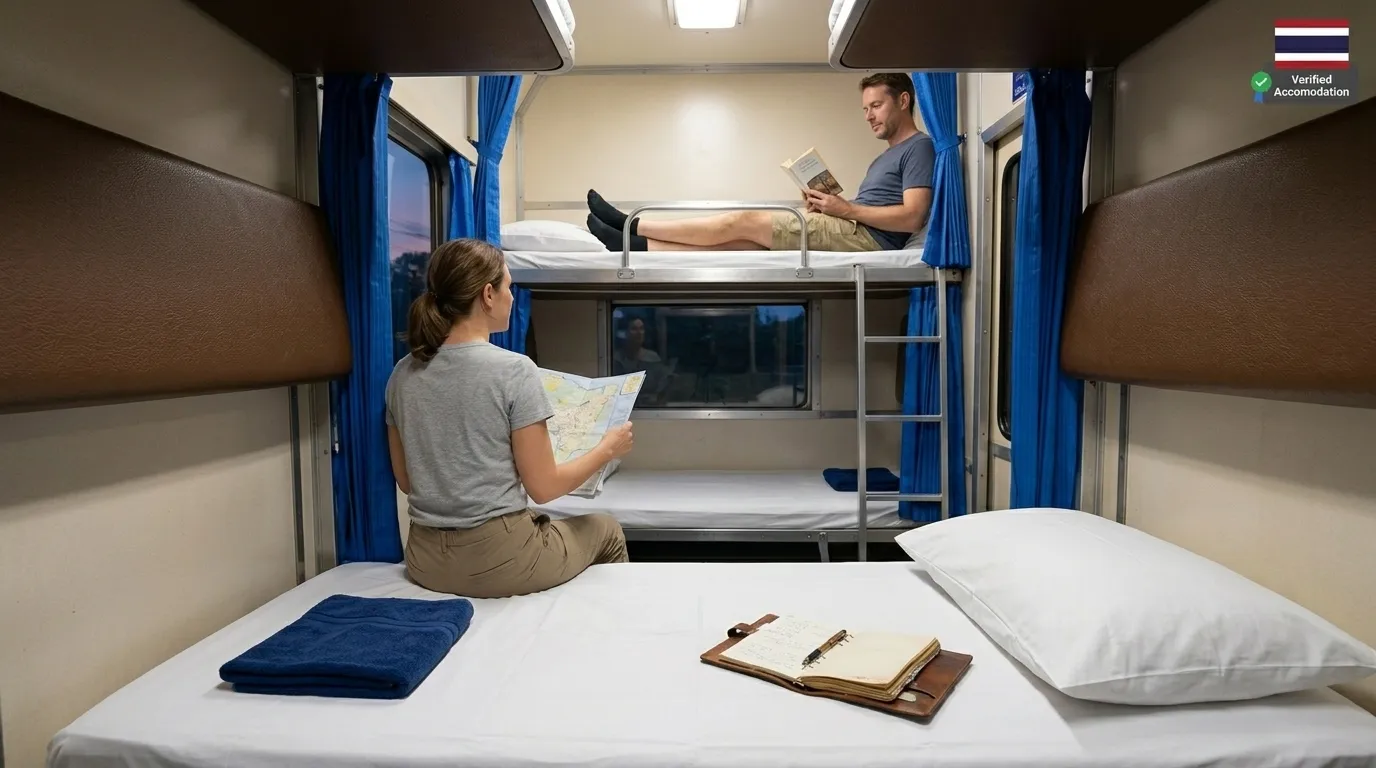
Choosing the right train seat is critical for your comfort, and this Vietnamese train travel guide recommends focusing on sleeper options. Spending thirty hours on a wooden bench will absolutely ruin your vacation before it even truly begins. The hierarchy of available train classes is simple. For longer journeys, compare the available sleeper classes and choose the comfort level that fits your budget.
| Class | Best used for | Relative price | What to check |
|---|---|---|---|
| Hard seat | Short trips when offered | Usually lowest | Seat type and carriage |
| Soft seat | Daytime journeys | Above hard seat | Air conditioning and window availability |
| 6-berth hard sleeper | Budget overnight travel | Varies by berth | Upper, middle or lower berth |
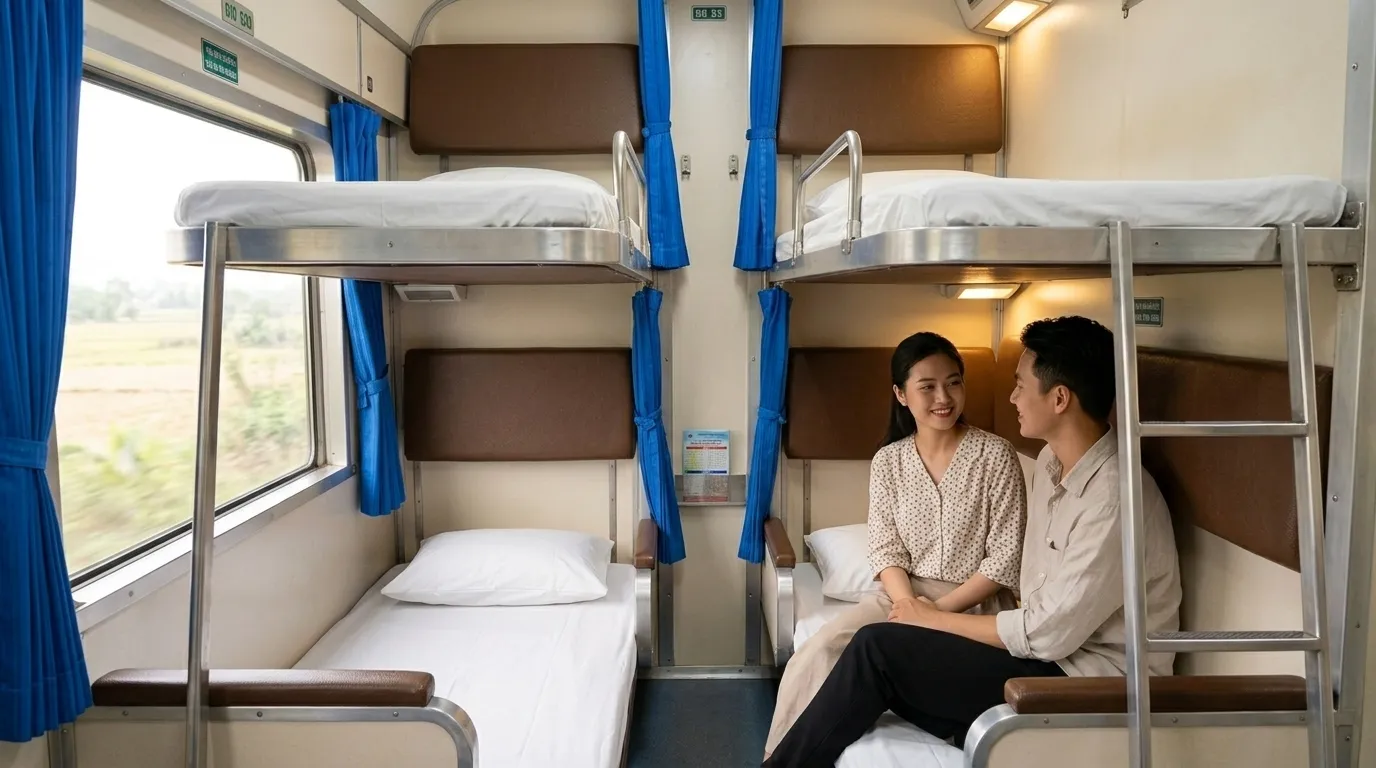
| 4-berth soft sleeper | More space on overnight trips | Usually above hard sleeper | Berth position and cabin availability |
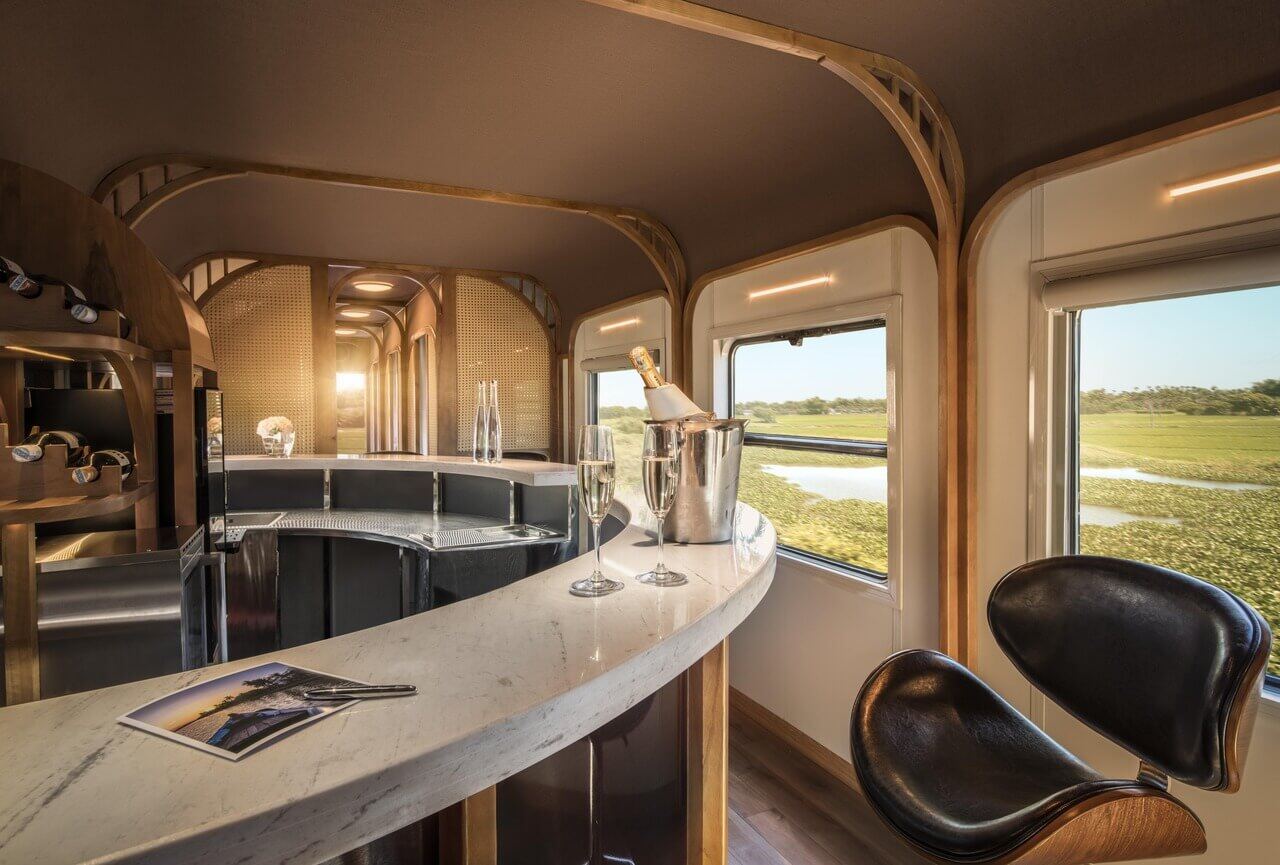
| Private tourist cabin | Travelers prioritizing privacy or added service | Premium | Operator, inclusions and cancellation terms |
The hard sleeper fits six narrow bunk beds. Read the Vietnam Train Hard Sleeper: 6-Berth Cabin Guide & Tips to understand the severe lack of available headroom. Soft sleepers offer four beds and thicker mattresses. You can find detailed Vietnam Train Soft Sleeper: 2026 Prices & Booking Tips to see why this is best. Following a Vietnam train journey guide helps you avoid the common mistake of booking the wrong class. Private operators regularly attach luxury tourist sleeping carriages. You can Experience the elegance and charm of The Vietage by Anantara for a massive premium ticket price. Check availability early to secure the bottom bunks. Browse real-time schedules and grab the best beds directly over at vietnamesetrain.com right now.
Major Train Stations You Will Encounter
Any comprehensive Vietnam train travel guide must mention the primary hubs. Navigating these stations is generally straightforward, but knowing what to expect reduces travel anxiety significantly. This Vietnam train travel guide provides the layout for the three biggest stops.
- Hanoi Railway Station (Ga Ha Noi): The main northern terminus. It has two separate gates. The main gate on Le Duan street serves the southbound Reunification Express. The rear gate on Tran Quy Cap street serves the northbound trains heading to Sapa.
- Da Nang Railway Station (Ga Da Nang): Located right in the city center. This station is a major transfer point for travelers heading to nearby Hoi An. It features a modern waiting room with air conditioning and charging ports.
- Saigon Railway Station (Ga Sai Gon): The southern end of the line, located in Ho Chi Minh City's District 3. It gets incredibly busy during the Tet holiday. Always arrive at least forty-five minutes before your departure here.
Luggage, Food, and Onboard Amenities
Understanding the practical realities of the journey is a core part of this Vietnam train travel guide. Knowing the rules beforehand is a staple of a good Vietnam train travel guide. Unlike flying, taking the train offers massive flexibility regarding what you can bring.
Luggage: Personal luggage normally travels with you, but storage space and operator conditions vary by train and carriage. Check the rules attached to your ticket, keep aisles clear and contact support before booking oversized items.
Onboard Dining: Each long-distance train features a dedicated dining car. Staff also push food carts down the aisles during standard meal times. You can buy instant noodles, boiled corn, fresh fruit, and hot coffee. Prices are very reasonable, usually under $3 for a hot meal. Still, bringing your own snacks ensures you have food you actually enjoy if the dining car runs out of stock.
7 Pro Tips for Surviving the Journey
Train travel requires a specific and patient mindset. Follow these tested strategies to stay comfortable while crossing the massive length of this beautiful Asian country. Preparation separates the miserable travelers from the joyful. Use this Vietnam train travel guide to plan your packing list; we learned these lessons the hard way so you can simply enjoy the passing scenery in absolute peace.
- Pack a dedicated train bag for your seat. Keep your toothbrush, toilet paper, earplugs, and snacks in a small tote for easy and quick cabin access.
- Book your train tickets several weeks in advance. Reading a Vietnam Train Travel Guide [2026]: Routes, Classes & Expert Tips shows that popular routes sell out incredibly fast.
- Secure the bottom bunk bed immediately upon booking. Top bunks suffer from harsh air conditioning blasts and require climbing a terribly narrow and painful metal ladder.
- Bring your own private toilet paper supply today. The bathrooms are cleaned frequently, but paper products mysteriously vanish within the first three hours of travel.
- Download offline maps and digital entertainment beforehand tonight. The cellular signal drops completely when the train snakes through the remote mountains and dense jungle valleys.
- Dress in warm and comfortable clothing layers always. The conductors keep the air conditioning cranked to maximum power, turning the sleeper cabins into rolling ice boxes.
- Use a trusted online train ticket booking platform. You can learn how to book your Vietnamese train tickets online safely by using the secure portal at vietnamesetrain.com.
Frequently Asked Questions
How much does a Vietnam train ticket cost in 2026?
According to our Vietnam train travel guide, a soft sleeper ticket from Hanoi to Ho Chi Minh City costs approximately $75, while shorter routes like Hanoi to Da Nang average $45. Prices vary based on the specific travel season and the class of service selected.
How do I book train tickets in Vietnam?
You can book Vietnam train tickets online at vietnamesetrain.com to secure specific berths and view real-time schedule availability for 2026. Booking in advance is highly recommended to ensure you get a lower bunk in a soft sleeper cabin.
What is the best train class for tourists in Vietnam?
The soft sleeper cabin is the best class for tourists, providing four cushioned bunks and air conditioning for a comfortable overnight journey. Travelers reading any Vietnam train travel guide are advised to avoid hard wooden seats for long-distance routes due to severe discomfort.
How long is the train ride from Hanoi to Da Nang?
The train journey from Hanoi to Da Nang takes roughly 16 hours and is famous for passing through the scenic Hai Van Pass. This route is a popular alternative to domestic flights for those wanting to see the coastal landscape.
Is there food available on Vietnam trains?
Vietnam Railways trains feature onboard carts selling hot pho, snacks, and cold local beer for passengers throughout the journey. Many travelers also choose to bring fresh food from local street markets to enjoy during the trip.
Can I take luggage on the train in Vietnam?
Passengers can keep their suitcases inside their sleeper cabins for free, as Vietnam Railways does not charge extra baggage fees or weigh luggage. This makes rail travel more flexible than domestic budget airlines which have strict weight limits. Most passengers find this flexibility a highlight of their Vietnam train travel guide experience.