Da Nang to Hue Train 2026: Schedule, Price & Hai Van Pass

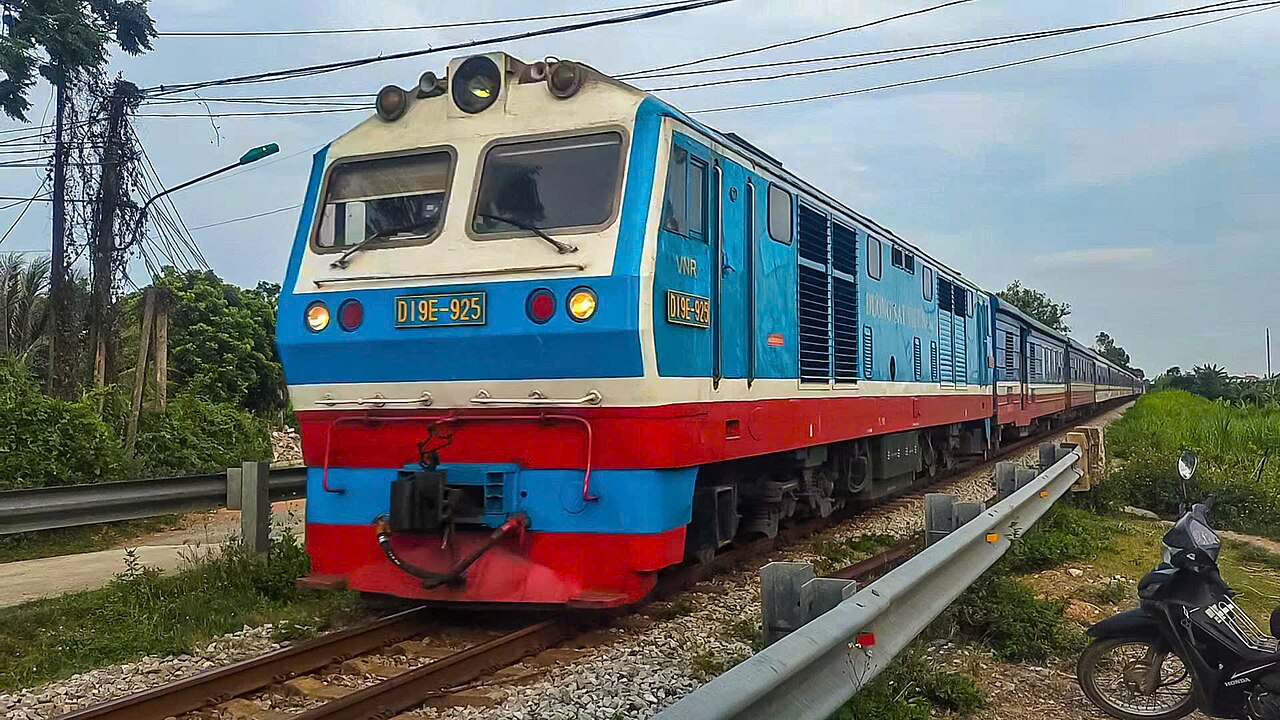
Cover: Fields and mountains on the Hue–Da Nang journey, based on a 2013 reference view; scenery varies.
Adapted from: Clay Gilliland · CC BY-SA 2.0 — Illustration adapted from a reference photograph. CC BY-SA 4.0
Quick answer: The Da Nang to Hue train usually takes roughly 2.5 to 3.5 hours and is best known for the Hai Van Pass scenery. The timetable and fare vary by date, service and seat class. Compare live Da Nang to Hue trains and prices before you travel.
The railway between Da Nang and Hue follows the coast around the Hai Van Pass, giving it a different view from the road tunnel. A daylight journey is a practical way to combine transport with scenery. Visibility depends on weather and the service’s timing.
Ordinary trains and the heritage tourist service
Vietnam Railways also operates a heritage tourism product on the Hue–Da Nang corridor. Its official announcement dated 26 March 2026 describes the refreshed service. Compare the product name and inclusions shown for your chosen departure: a regular through train and a tourism service may have different seating, activities and fare conditions. A general route search does not guarantee tickets for the heritage product.
Source: Vietnam Railways heritage-train announcement, checked 19 October 2026.
Da Nang to Hue Train Schedule and Price (2026)
| What to compare | Why it matters | Best next step |
|---|---|---|
| Departure and arrival time | Journey time varies by service and operating date | Search your exact travel date |
| Seat or sleeper class | Soft seats usually give a practical view on this short route; availability differs | Compare the carriage options shown |
| Total fare | The payable price can change by train, class and date | Review the total before payment |
| Window preference | Sea views are generally on the right when traveling north | Choose an available window seat where seat selection is offered |
Comparing Ticket Classes
| Class | Comfort | Best for | Price guidance |
|---|---|---|---|
| Hard seat | Basic wooden seating on applicable trains | Lowest-cost short trips | Usually the lowest fare shown |
| Soft seat | Padded, air-conditioned on applicable carriages | Most travelers and window views | Compare the live fare for your date |
| Hard sleeper | Six berths per cabin | Travelers who prefer a berth | Availability may be limited for this short sector |
| Soft sleeper | Four berths per cabin | Extra space or a place to rest | Usually costs more than a seat |
Seat choice: A soft seat is practical for many travelers on this short route. Compare the carriage layout and available window seats before paying. Check Da Nang to Hue services.
Standard Trains or the Heritage Tourist Service?
The Hue–Da Nang “Connecting Central Heritage” tourist service is a distinct option on the same scenic corridor. Its onboard programme, schedule and fare can differ from through North–South trains. Compare the exact service offered for your date, rather than assuming every Da Nang–Hue departure includes heritage activities or the same stops.
The Hai Van Pass: Securing the Best Views
The Hai Van Pass is the route’s best-known scenic section, with mountain slopes and coastal views near Lang Co. The time at which you reach it varies with the train and operating conditions; do not plan photography around a fixed number of minutes after departure.
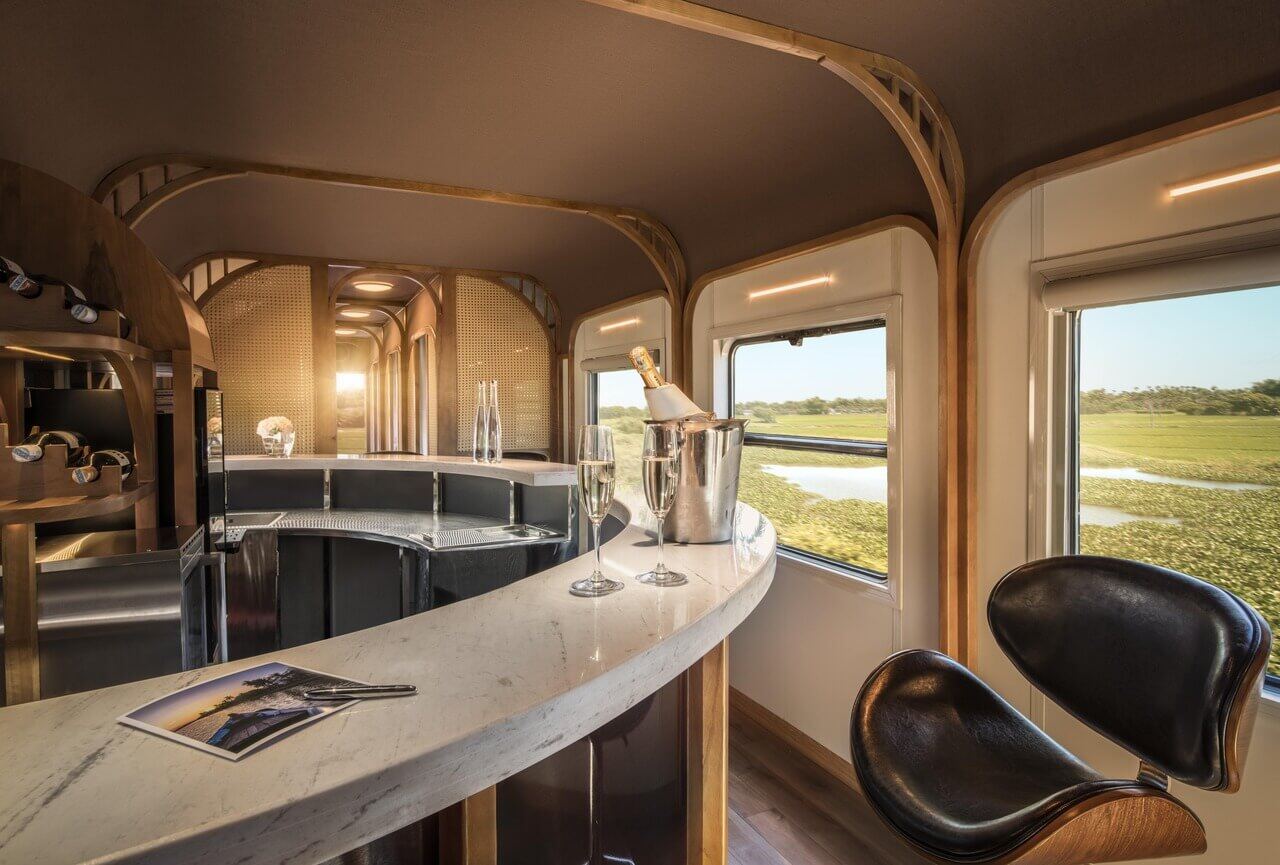
For Da Nang to Hue, the sea is generally on the right when facing the direction of travel; for Hue to Da Nang, it is generally on the left. Curves and carriage orientation affect the view. A seat-map diagram alone may not establish the actual travel direction, so ask the seller or staff if a sea-facing seat is important.
Adapted from: Clay Gilliland · CC BY-SA 2.0 — Illustration adapted from a reference photograph. CC BY-SA 4.0
Onboard Amenities, Food, and Luggage
Power outlets, Wi-Fi and other facilities vary by train and carriage. Charge your devices before departure, bring a power bank, and download anything you need before the mountain section.
Luggage storage varies by carriage. Keep aisles and doors clear, place heavy bags in a suitable low storage area, and follow staff instructions. Do not assume that an overhead rack can safely hold a heavy suitcase; check size and weight rules before bringing oversized baggage.
Food and drinks may be sold onboard, with service and prices varying by train. Bring drinking water and a snack if needed, subject to operator rules. If choosing the heritage tourist service, check its specific cultural and dining inclusions.
Da Nang and Hue Railway Stations
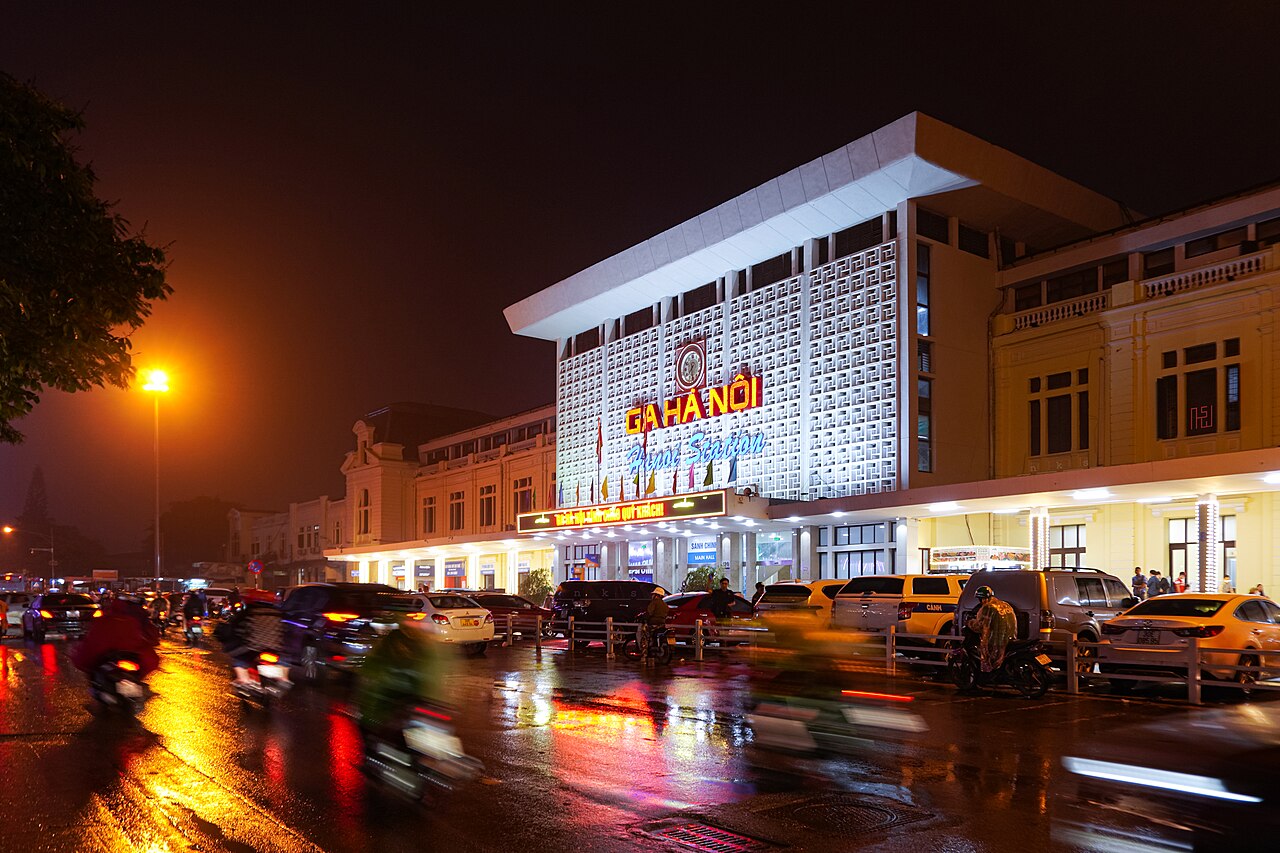
Your train departs from Da Nang Railway Station (Ga Đà Nẵng) in the city. Use the station location and boarding details on your issued ticket. Arrive with time to find the platform and carriage, and bring your required identification. See the Vietnam train ticket booking guide.
Trains arrive at Hue Railway Station (Ga Huế). Arrange your onward journey to your hotel or the Imperial City from the station. Taxi and road-transfer times depend on the exact destination and traffic; confirm the fare or meter before setting off.
Sources and Information Updates
Information checked on 11 October 2026. Timetables, fares, carriage facilities and ticket conditions can change; confirm the details for your journey before payment.