Vietnam Train Travel Tips: 2026 Ticket & Sleeper Guide

Key Takeaway: A standard 4-berth Soft Sleeper ticket from Hanoi to Da Nang costs roughly $45 USD and takes about 16 hours. Always book the lower berth at least 30 days in advance for overnight journeys to guarantee your space. You can check current timetables and secure your seats immediately at vietnamesetrain.com.
Picture this. You wake up to the sight of mist rolling off the Hai Van Pass. The rhythmic clank of the rails lulls you back against your pillow. Train travel here is genuinely magical. But getting to that peaceful moment requires some upfront strategy. Many first-time visitors panic about ticket classes, station chaos, and booking timelines. I have spent a decade riding the Reunification Express from Hanoi to Ho Chi Minh City, and I've compiled the ultimate Vietnam train travel tips to help you navigate the system. The railway works remarkably well once you crack the code. So, let's look at the essential Vietnam train travel tips you need to know right now. We will cut through the confusion so you can book with absolute confidence.
Quick Overview: Essential Vietnam Train Travel Tips
Before we look at specific ticket strategies, you need the ground rules. The railway network runs on a single track stretching 1,600 kilometers from north to south. Trains are rarely fast. They are, however, incredibly reliable and offer a window into the country's soul. If you want a deeper look at the entire network map, read our Vietnam Train Travel Guide [2024]: Routes, Classes & Expert Tips. Here are the fast facts for 2024:
- Operating speed: Trains average 50-60 km/h. Do not expect Japanese bullet trains; embrace the slow travel mindset.
- Booking window: Tickets typically open 30 to 60 days before departure.
- Luggage limits: Officially 20kg per passenger, but staff rarely weigh bags unless they are massive.
- E-tickets: Digital QR codes on your phone are perfectly acceptable at all major stations.
Understanding Vietnam Train Ticket Types and Classes
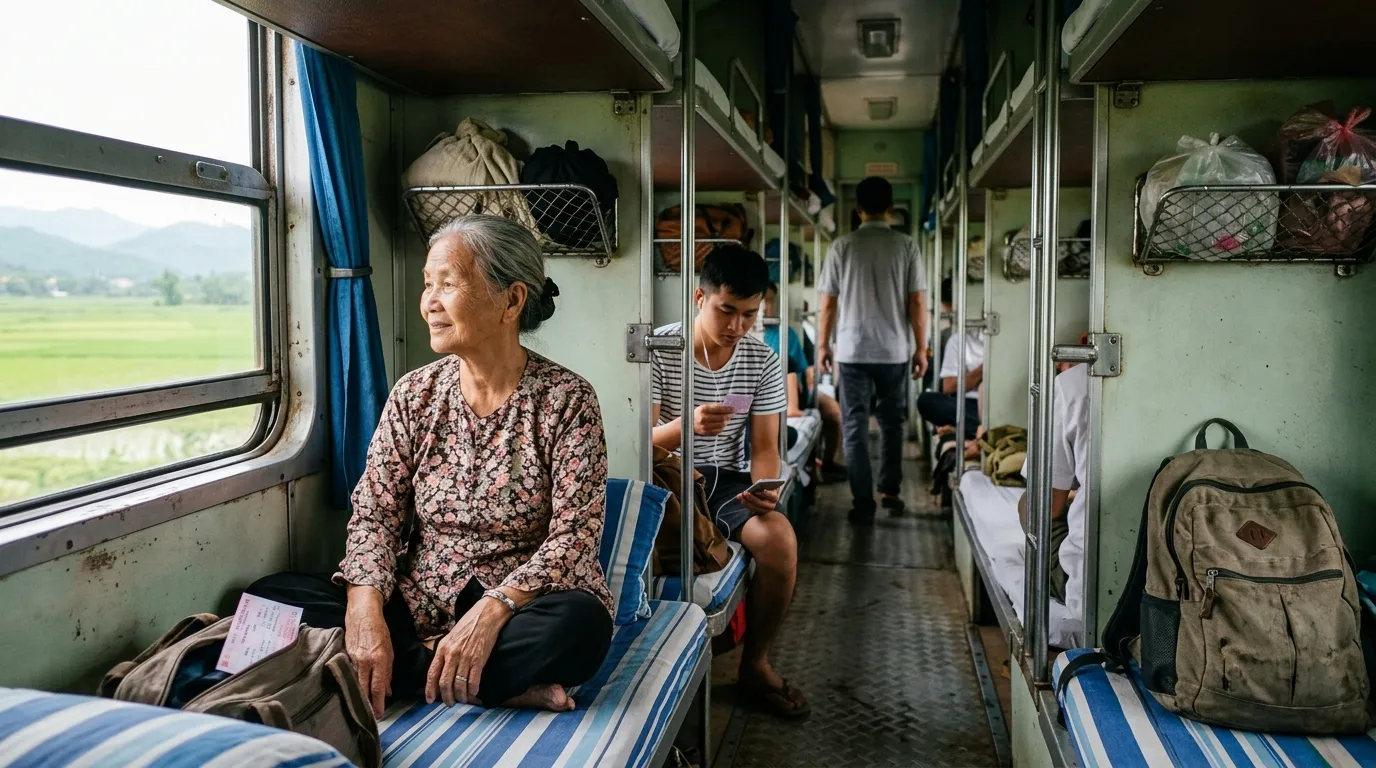
Your comfort entirely depends on which class you choose. The naming conventions confuse many travelers, making this one of the most requested Vietnam train travel tips. Let's clear that up right now so you don't end up on a wooden bench for 12 hours.
Soft Sleeper vs. Hard Sleeper
Overnight journeys demand a bed. You have two main choices here. A Soft Sleeper cabin holds four berths (two lower, two upper). A Hard Sleeper cabin crams in six berths (three tiers on each side). The mattresses in Soft Sleeper are noticeably thicker. The six-berth cabins feel notoriously cramped, especially on the top bunk where you cannot sit up straight. Booking a lower berth in a 4-berth Soft Sleeper cabin is the single best investment you can make for overnight train travel in Vietnam. The lower bunk gives you a window view and table access. It also prevents you from climbing a tiny metal ladder at 2 AM. If you are heading north to the mountains, the options expand. You can learn more about private tourist carriages in our guide to the Hanoi to Sapa Sleeper Train: Luxury vs Standard Cabins.
Soft Seats for Daytime Travel
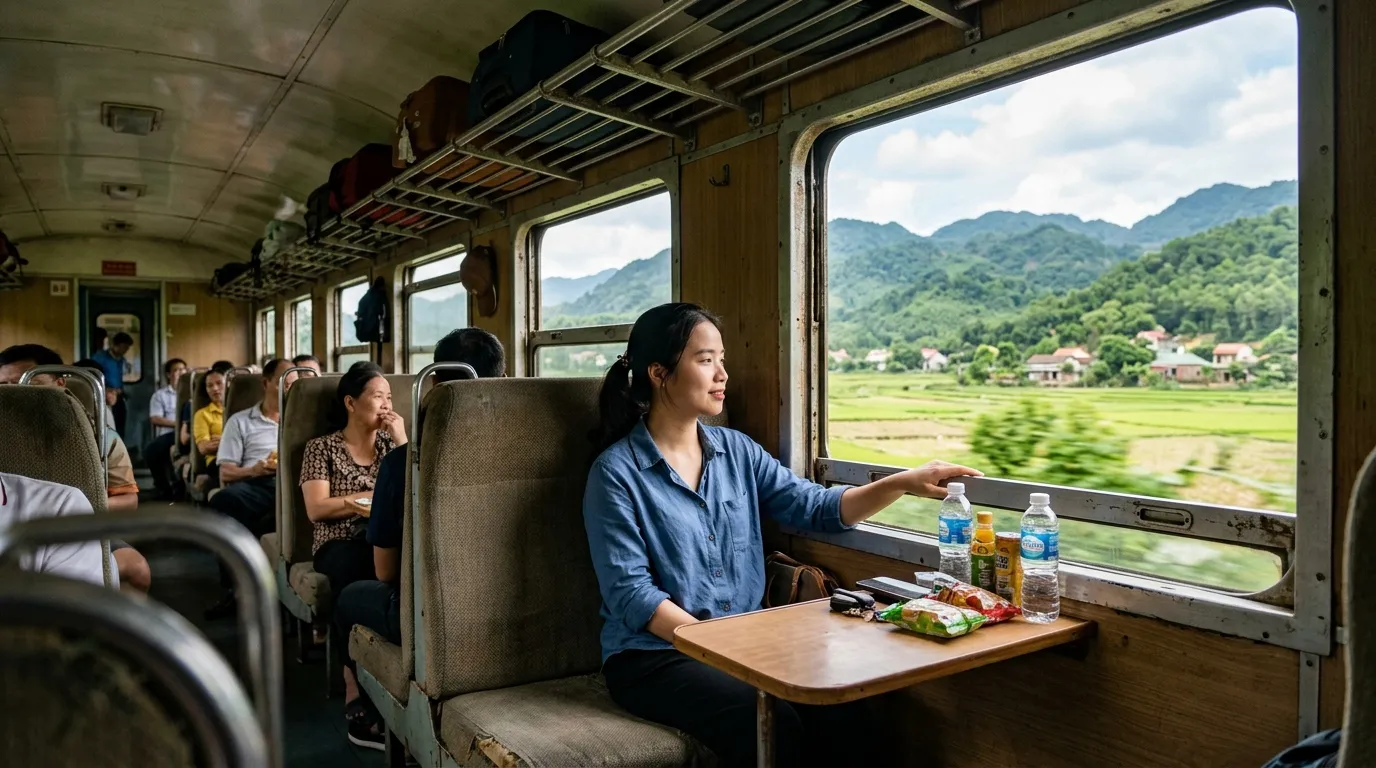
Daytime routes require less investment. Soft Seats are essentially airline-style reclining chairs. They offer decent legroom and aggressive air conditioning. Hard Seats are wooden benches. Avoid Hard Seats unless you are traveling a very short distance and want a brutally authentic local experience.
When you know what you want, book train tickets online to lock in your preferred class before it sells out.
| Ticket Class | Cabin Layout | Avg Price (Hanoi-Da Nang) | Best For | Action |
|---|---|---|---|---|
| Soft Sleeper | 4 berths per cabin | $45 - $55 USD | Overnight comfort, families | Book Soft Sleeper |
| Hard Sleeper | 6 berths per cabin | $35 - $42 USD | Budget backpackers | Book Hard Sleeper |
| Soft Seat | Open carriage, reclining | $25 - $30 USD | Daytime trips under 6 hours | Book Soft Seat |
| Luxury Tourist | 2 to 4 berths, premium | $75 - $150+ USD | Honeymooners, luxury seekers | Check Tourist Trains |
Top Routes to Apply Your Vietnam Train Travel Tips
Knowing the train classes is only half the battle. You also need to know where to go. The Reunification Express covers massive ground, but some segments are far more rewarding than others. Applying our Vietnam train travel tips to these specific routes will drastically improve your itinerary.
Hanoi to Da Nang (The Classic Overnight)
This 16-hour journey is the most popular route for travelers moving south. It saves you a night of hotel accommodation and drops you right in the center of Central Vietnam. The key here is timing: book the SE1 or SE3 trains, which depart Hanoi in the evening and arrive in Da Nang around midday. This schedule ensures you wake up just in time to see the spectacular coastal scenery as the train winds through the mountains.
Da Nang to Hue (The Scenic Sprint)
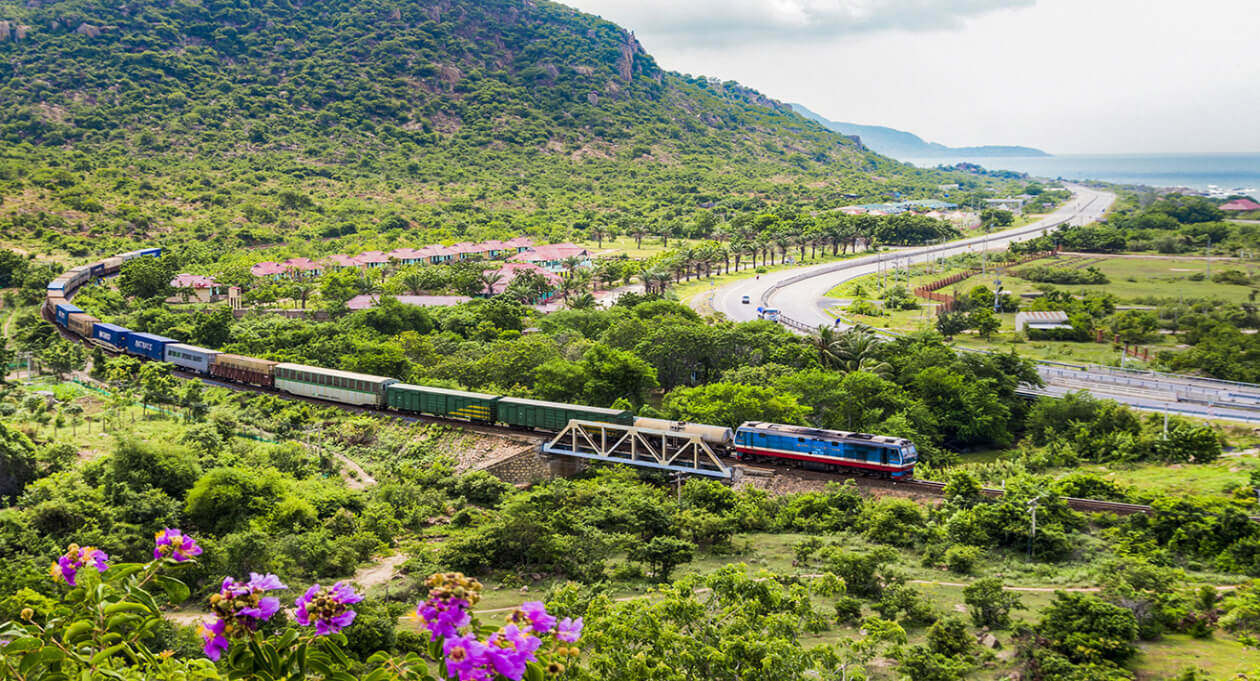
If you only take one train ride in Vietnam, make it this one. It takes roughly 2.5 to 3 hours and traverses the legendary Hai Van Pass. The train hugs the cliffs, offering panoramic views of the East Sea that buses simply cannot match. For the absolute best window views, read our specific advice on the Da Nang to Hue Train: Best Seats for Hai Van Pass (2024). Pro tip: Book a Soft Seat on the right side of the train when heading north to Hue for unobstructed ocean views.
Luggage, Food, and Onboard Reality Check

Living on a train for 15 hours requires some tactical packing. The onboard amenities might surprise you, which is why sharing these practical Vietnam train travel tips is so crucial for first-timers.
Feeding Yourself on the Move
Food carts roll down the aisles constantly. You can buy steaming bowls of pho, cold beers, and fresh fruit right from your seat. The quality varies wildly depending on the route. Many travelers prefer to bring their own snacks from a local convenience store before boarding. Every carriage features a free hot water dispenser at the end of the hall, making instant noodles the ultimate railway survival food. Just bring your own chopsticks and a travel mug for coffee.
Toilets and Hygiene
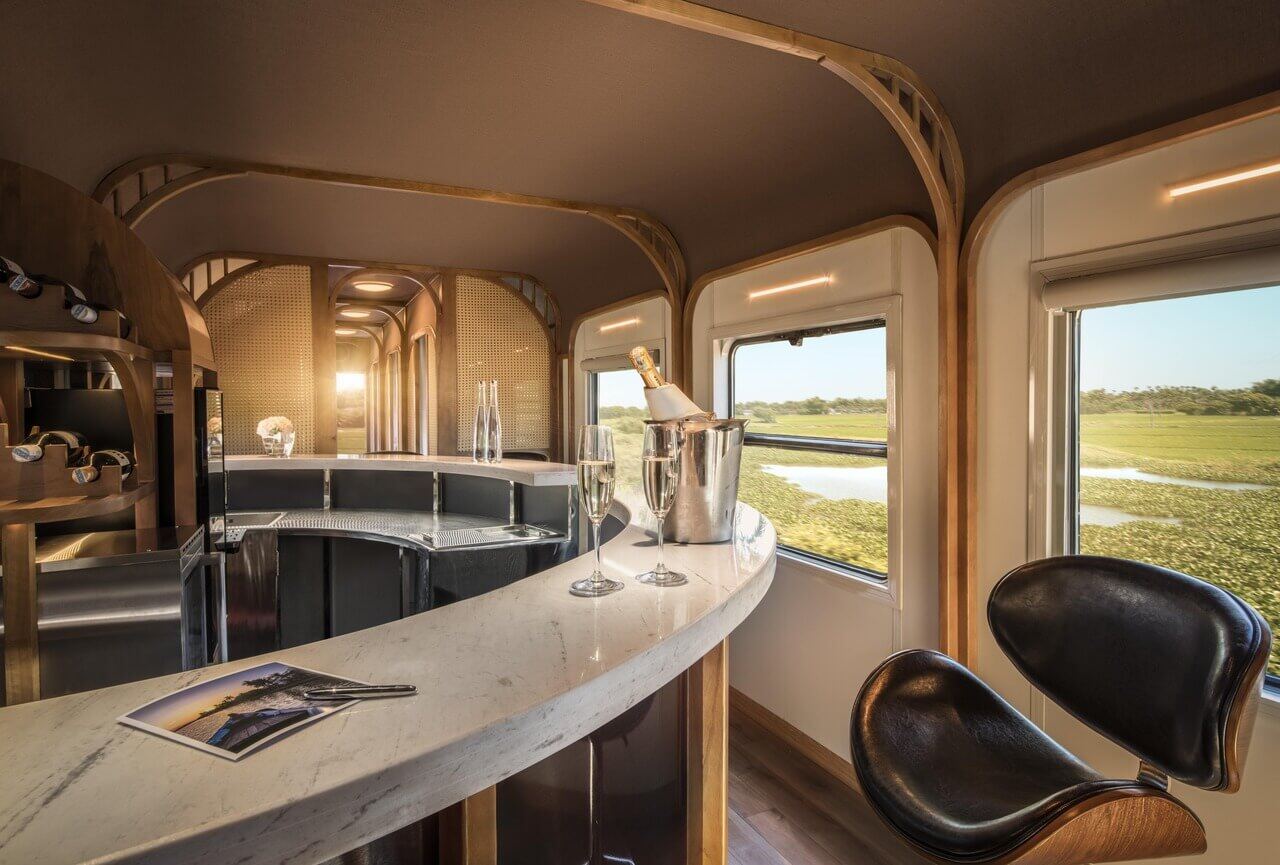
Bathrooms are the main complaint for first-time riders. Each standard carriage usually has one western-style toilet and one squat toilet. They start the journey clean. By hour twelve, the situation deteriorates. Always pack a roll of toilet paper, wet wipes, and a bottle of hand sanitizer. If pristine bathrooms are non-negotiable for you, consider a premium experience. You might want to Experience the elegance and charm of The Vietage by Anantara, which offers five-star luxury on the rails.
Ready to secure your spot? Check the latest availability and book your tickets at vietnamesetrain.com.
Navigating the Train Stations Like a Local
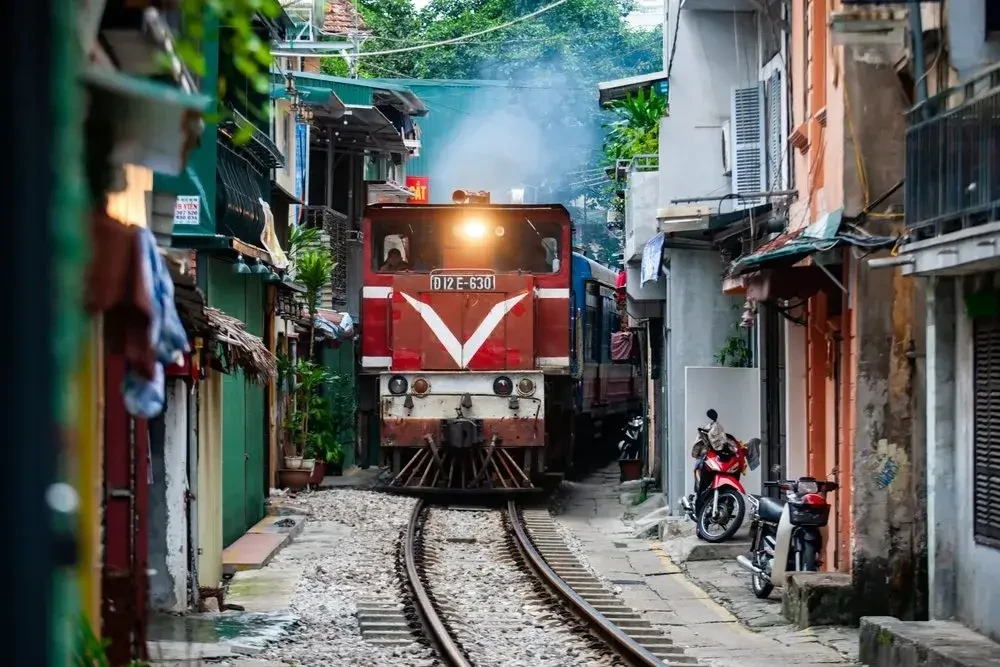
One of the most overlooked Vietnam train travel tips is how to handle the stations themselves. Hanoi Station (Ga Hà Nội) and Saigon Station (Ga Sài Gòn) can feel overwhelming. Arrive at least 45 minutes before your departure. The electronic departure boards are clearly displayed in both Vietnamese and English. Match your train number (e.g., SE3) to the track number.
Do not hand your ticket to anyone offering to "help" you find your train unless they are wearing an official railway uniform. Once you find your track, carriages are clearly numbered on the outside near the doors. An attendant will scan your digital QR code before you step aboard.
How to Book Vietnam Train Tickets Online

Showing up at the station on the day of travel is a rookie mistake. Popular routes sell out fast. This is especially true for the scenic coastal stretches and overnight journeys.
The official state railway website, Vietnam Railways (DSVN), often rejects foreign credit cards. This causes endless frustration for international travelers. Using a trusted agency bypasses this headache entirely. For travel during the 2024 Tet holiday season, you must secure your train tickets at least 60 days in advance to guarantee a sleeper berth. Outside of holidays, a two-week buffer is usually fine. For a complete walkthrough of the digital process, check our Book Vietnam Train Tickets Online: 2024 Booking Guide [New Tips].
| Travel Period | When to Book | Risk of Selling Out | Where to Book |
|---|---|---|---|
| Tet Holiday (Jan/Feb) | 60 days prior | Extremely High | Check Tet Tickets |
| Summer (June-August) | 30 days prior | High (Coastal routes) | Check Summer Tickets |
| Normal Season | 7-14 days prior | Moderate | Check Standard Tickets |
7 Pro Vietnam Train Travel Tips for First-Timers
Experience teaches you hard lessons. I have compiled these Tips & Tricks for First-Time Train Travelers in Vietnam so you do not have to learn the hard way. Follow these Vietnam train travel tips for a flawless journey:
- Defend your lower bunk: During daytime hours, passengers from upper bunks will climb down and sit on your lower bed. This is culturally accepted in Vietnam. If you want privacy, politely but firmly indicate you want to sleep.
- Dress in layers: The air conditioning on the Reunification Express has two settings. It is either completely broken or mimicking a meat locker. Bring a fleece jacket or thick hoodie, even in July.
- Secure your valuables: Petty theft is rare but crimes of opportunity happen. Sleep with your passport, phone, and wallet in a small bag tucked near your pillow.
- Ignore the station touts: When you arrive at major stations like Hanoi or Saigon, people will offer to "help" you find your train. They will demand a tip. Find the electronic departure boards yourself; they are in English.
- Download your entertainment: Wi-Fi does not exist on standard trains. Cell service drops frequently as you pass through tunnels and rural mountains. Download movies and podcasts beforehand.
- Bring noise-canceling headphones: The tracks are loud. Families travel together and talk loudly. Earplugs or good headphones will save your sanity.
- Skip the agency markups: Book directly through reliable portals. You can check latest prices on vietnamesetrain.com to ensure you get transparent rates without hidden station fees.
Frequently Asked Questions
How much does a train ticket from Hanoi to Da Nang cost?
A standard 4-berth Soft Sleeper ticket from Hanoi to Da Nang costs approximately $45 USD and covers the journey in about 16 hours. Prices can fluctuate based on the season and how far in advance you secure your booking.
How far in advance should I book Vietnam train tickets?
Tickets for Vietnam trains typically open for sale 30 to 60 days before the departure date. One of our top Vietnam train travel tips is to book at least 30 days in advance to secure preferred classes like the 4-berth Soft Sleeper lower beds.
What is the difference between Soft Sleeper and Hard Sleeper?
Soft Sleeper cabins feature four berths with thicker mattresses and more vertical space, whereas Hard Sleeper cabins contain six berths in a three-tier arrangement. Soft sleepers are generally preferred by tourists for their increased comfort and privacy.
Are digital tickets or e-tickets accepted at Vietnam train stations?
Digital QR codes and e-tickets sent to your email are perfectly acceptable and can be scanned directly from your smartphone at all major stations. You do not need to print a physical paper ticket if you have the digital version ready.
What is the luggage limit for passengers on Vietnam trains?
The official luggage limit is 20kg per passenger, though railway staff rarely weigh bags unless they appear exceptionally bulky. Most travelers find there is ample space under the lower berths or in overhead racks for standard suitcases.
Which berth is best for an overnight journey in Vietnam?
The lower berth in a 4-berth Soft Sleeper cabin is widely considered the best option because it provides easy access to the table and window. Choosing a lower berth also eliminates the need to climb a ladder to reach the upper tiers.